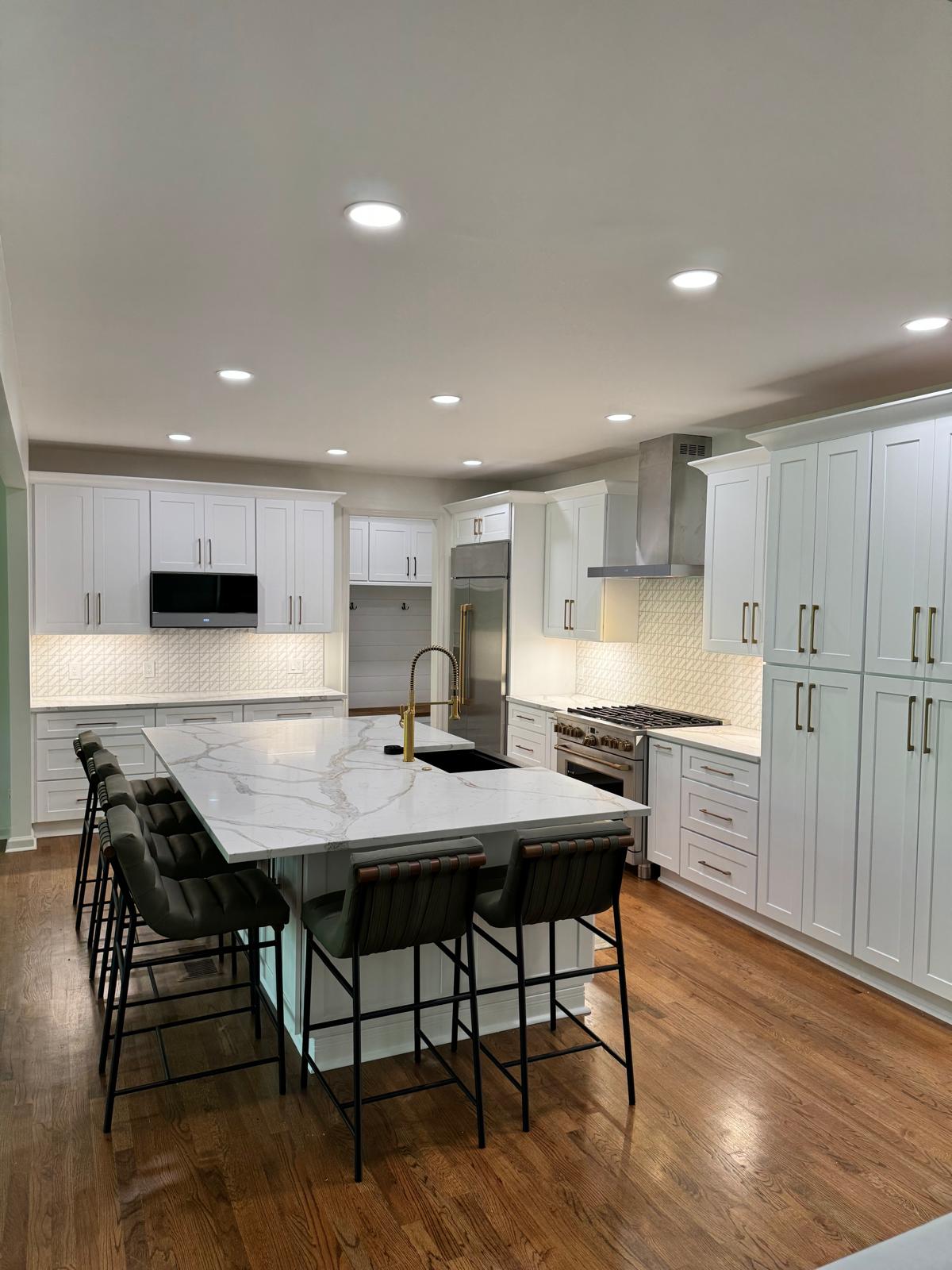
Maximize Kitchen Remodeling ROI for Greater Home Value
How to Increase Kitchen Value with High-ROI Remodels and Upgrades in Alpharetta
Increasing kitchen value means improving both the appraisal-ready features and the buyer perception that drive offers when you sell. This guide focuses on high-ROI kitchen remodels and practical upgrades tailored to Alpharetta homeowners, combining cost benchmarks, resale impact, and 2025 design trends that local buyers expect. You'll learn how to compare minor versus major remodels, which upgrades deliver the biggest resale lift, realistic cost ranges for Alpharetta projects, and financing strategies to reduce upfront friction. The article maps evidence-based return-on-investment metrics, a clear ranked list of best upgrades for resale, current local design preferences for 2025, and cost/financing scenarios that homeowners can use to plan a remodel. Practical EAV comparison tables and checklists make decision-making easier, and targeted examples show how before-and-after projects can translate into measurable homeowner value. Read on to prioritize upgrades that maximize resale value while keeping budgets and timelines realistic for the Metro Atlanta market.
What Is the Return on Investment for Kitchen Remodels in Alpharetta?
Return on investment (ROI) for a kitchen remodel measures how much of the remodel cost is recouped in the home’s resale price, and it depends on scope, finish quality, and local market demand. Minor remodels—cosmetic updates such as new paint, hardware, and refreshed countertops—typically recoup a higher percentage of cost per dollar because they directly improve buyer perception at lower expense. Major remodels—full gut renovations adding appliances, new layouts, or structural changes—can increase home value substantially but often recoup a smaller percentage of total spend while delivering higher absolute value and livability. Local factors such as neighborhood comparables, school districts, and buyer expectations in Alpharetta influence realized ROI, so align upgrade level with neighborhood price points to avoid overbuilding. The next subsection breaks down minor versus major remodel returns with typical cost and recoup examples.
How Do Minor and Major Kitchen Remodels Compare in ROI?

Minor remodels focus on visible, cost-effective improvements that buyers notice immediately and generally offer strong recoup percentages. A minor refresh often includes new cabinet faces or refacing, updated countertops, modern hardware, fresh paint, and upgraded lighting; these changes typically land in a lower cost band and can recoup a significant share of the investment when staged and marketed correctly. Major remodels replace layouts, cabinets, flooring, appliances, and add islands or structural changes—these projects elevate function and appeal but come with higher absolute costs and longer timelines. Realistically in Alpharetta, homeowners should expect minor remodels to have faster timelines and higher recoup percentage per dollar, while major remodels increase long-term marketability and living quality, making them worthwhile when a home competes at a higher price tier. Understanding this trade-off helps homeowners choose the scope that best matches local market expectations.
Before presenting local ROI comparisons in a compact table, consider which local market factors most strongly influence returns in Alpharetta. These factors determine whether a minor or major approach will deliver the intended value uplift.
Remodel TierTypical Cost Range (Alpharetta)Typical Recoup / Resale ImpactMinor Refresh$8,000 – $30,000High recoup percentage; quick marketabilityMid-Range Remodel$30,000 – $75,000Balanced recoup with improved function and finishesMajor Renovation$75,000+Larger absolute value increase; lower recoup % but higher buyer appeal
This table summarizes how remodel tiers trade cost, timeline, and resale impact; use it to match scope to neighborhood comparables and buyer expectations. The next section ranks the specific upgrades that most directly influence resale value.
For homeowners seeking a practical conversion step after assessing ROI, BIC Contracting and Design offers a local perspective and tools to estimate project ROI and paths to a free design consultation; their experience with Kitchen Renovation projects helps translate ROI benchmarks into specific design choices and cost estimates.
Which Factors Influence Kitchen Remodel ROI Locally?
Several local and project-level factors determine how much of a remodel is recouped in Alpharetta, and understanding these helps prioritize spending. Material and finish choices—neutral quartz counters, durable flooring, and modern fixtures—affect buyer perception and appraisal adjustments, while contractor quality and craftsmanship influence how smoothly the project runs and the durability of results. Neighborhood comparables and school zones in Alpharetta set buyer expectations; over-improving a modest home can reduce ROI, whereas aligning upgrades with comparable high-end finishes tends to maximize returns. Market timing—listing during active buyer seasons and when inventory is tight—also improves realized ROI. Considering these factors together ensures upgrades match what local buyers value and leads into the next section on specific upgrades that consistently yield high resale value.
What Are the Best Kitchen Upgrades for Resale Value in Alpharetta?
Top kitchen upgrades combine visual impact, durability, and practicality—elements that both appeal to buyers and provide measurable resale benefits. Countertops, cabinets, lighting, energy-efficient appliances, resilient flooring, and a functional island are commonly cited as the highest-value improvements because they directly affect daily use and first impressions. Prioritize neutral finishes and durable materials that age well and photograph strongly in listings, since photographic appeal can shorten days on market and attract stronger offers. The following subsections explain why each upgrade matters and provide guidance on cost vs. value considerations to help prioritize spending.
Why Are Countertops the Most Impactful Kitchen Upgrade?
Countertops are a central visual and functional surface in the kitchen, and upgrading them changes perceived quality immediately while improving durability. Materials like quartz or granite present a premium look that buyers associate with long-term value; quartz offers low maintenance and consistent appearance while granite provides natural stone appeal that some buyers prefer. Neutral, lightly veined patterns have broader buyer appeal and reduce the risk of dated aesthetics; maintenance demands and durability should guide material choice because buyers often factor lifecycle costs into offers. Countertop upgrades are also relatively focal—installing quartz or granite yields a large perceived upgrade for the investment, which makes them a top priority when targeting resale impact. The next subsection evaluates cabinet strategies—refacing versus full replacement.
Should You Reface or Replace Cabinets to Maximize Value?

Cabinet decisions balance cost, timeline, and buyer perception: refacing or painting cabinets is cost-effective and can deliver strong aesthetic improvements, while full replacement offers functional upgrades like soft-close drawers and optimized storage. Refacing works well when cabinet boxes are structurally sound; it provides a refreshed look at a fraction of replacement cost and faster timelines. Full replacement is justified when layout changes, structural repairs, or higher-end finishes are required to match neighborhood comparables—new cabinets often increase perceived value substantially but at higher expense. When deciding, evaluate cabinet condition, desired layout changes, and the target market tier; matching cabinet quality to neighborhood expectations typically produces the best ROI. Proper cabinet upgrades lead naturally into lighting improvements that enhance perceived space.
How Does Kitchen Lighting Enhance Value and Appeal?
Lighting transforms both function and visual appeal: layered lighting—ambient, task, and accent—improves usability and photographs better for listings, while energy-efficient LED fixtures reduce operating costs and signal modern systems to buyers. Under-cabinet task lighting brightens work surfaces, pendant lighting defines islands and adds style, and recessed ambient lighting evens illumination across the room; combined, these strategies make small kitchens feel larger and more functional. Upgrading to LEDs and dimmable controls adds both energy savings and staging flexibility during showings. Because lighting is relatively affordable and influences perception dramatically, it's a high-ROI upgrade to pair with surface and cabinet improvements. Next, we’ll consider the role appliances play in buyer decisions.
What Role Do Appliances Play in Increasing Kitchen Value?

Appliances convey quality and modern convenience; energy-efficient stainless-steel units and smart-enabled appliances increase buyer interest by promising lower operating costs and contemporary functionality. Buyers often equate newer, efficient appliances with fewer near-term maintenance issues, which can strengthen offers. Integrated or counter-depth appliances contribute to a streamlined look that appeals to buyers seeking modern aesthetics, while certified energy-efficient models add practical savings reflected in long-term ownership costs. When prioritizing appliance upgrades, choose durable, mid-to-high tier models compatible with the kitchen’s finish level—matching appliance quality to cabinetry and countertop investments preserves balance and maximizes ROI. After appliances, flooring choices anchor the kitchen's durability and visual continuity.
Which Flooring Options Offer Durability and Resale Benefits?
Flooring in the kitchen must balance moisture resistance, durability, and cohesive style with the rest of the home; hardwood, luxury vinyl plank (LVP), and tile are leading options. Hardwood—either real or engineered—connects kitchens to adjacent living spaces and is favored by many buyers for resale value, but it requires careful selection for moisture-prone areas. LVP replicates wood aesthetics with superior water resistance and often delivers high buyer acceptance at a lower cost, making it an attractive mid-range choice. Tile is durable near sinks and backsplashes and offers design flexibility for work zones. Choosing a consistent flooring strategy that flows into nearby rooms enhances perceived square footage and resale desirability. With flooring set, consider how an island can multiply function.
How Can a Kitchen Island Boost Functionality and Home Value?
A well-designed island adds storage, prep space, seating, and can serve as a visual anchor that improves circulation and social use—features that buyers prioritize. Islands with built-in storage, power, and seating increase utility for everyday living and entertaining, and multifunctional islands can substitute for formal dining in open-plan designs. Proper clearance (typically 36–48 inches around an island) ensures circulation and prevents layout constraints; oversized or undersized islands can reduce perceived flow and should be avoided. When the island addresses clear functional needs—additional storage or prep zones—it often offers strong buyer appeal and supports higher listing prices. The following table compares common upgrades with cost ranges and estimated resale value increase to aid prioritization.
What Are the Modern Kitchen Design Trends in Alpharetta for 2025?

Design trends for 2025 in Alpharetta emphasize functional open layouts, sustainable materials, and integrated smart features that reflect buyer priorities for healthy, efficient, and low-maintenance living. Neutral palettes with warm accents continue to stage well in photographs and appeal to a broad range of buyers, while mixed-material islands and subtle texture introduce crafted detail without risking polarizing tastes. Sustainable choices—low-VOC paints, recycled countertops, and durable flooring—resonate with environmentally-conscious buyers and reduce long-term maintenance concerns. Smart kitchen features such as integrated appliance controls, efficient ventilation, and water-saving fixtures add convenience and can be important differentiators in competitive markets. The next subsections discuss layout implications and the most relevant sustainable and smart upgrades for 2025.
How Do Open-Concept Layouts Affect Kitchen Value?
Open-concept kitchens improve sightlines and create a sense of spaciousness that suits modern entertaining and family life, which many Alpharetta buyers prize. Removing non-structural barriers or reconfiguring the kitchen-dining interface boosts natural light and social interaction, often increasing perceived square footage and listing appeal. However, open plans can amplify noise and cooking odors, making ventilation and acoustic strategies important—high-quality range hoods and zoned lighting mitigate these drawbacks. Converting to an open plan is a higher-cost change that should match neighborhood standards; in many cases, cosmetic and functional upgrades deliver comparable buyer appeal at lower cost. Understanding trade-offs between layout changes and surface upgrades helps homeowners select the most efficient path to value.
What Sustainable Materials and Smart Features Are Trending?
Sustainable materials and smart features combine buyer appeal with operational savings, improving both marketing narratives and long-term ownership costs. Low-VOC paints, recycled-content countertops, and responsibly sourced cabinetry reduce environmental impact while signaling quality to buyers. Smart thermostatic ventilation, programmable lighting, and energy-monitoring appliances add convenience and measurable efficiency that modern buyers expect. These choices often carry moderate incremental cost but support stronger listing narratives and appeal to buyers seeking lower lifecycle expenses. As we shift to cost planning, the next section outlines typical Alpharetta remodel budgets and financing options that make these trends attainable.
How Much Does Kitchen Remodeling Cost in Alpharetta and What Should Homeowners Expect?
Kitchen remodeling costs in Alpharetta vary by scope, finishes, and whether structural changes are involved; establishing clear tiers helps homeowners set realistic budgets. Minor remodels focus on cosmetic improvements and selective upgrades, mid-range projects address layout efficiency and higher-quality finishes, and high-end renovations replace major systems and often change footprint and flow. Timelines and ROI expectations scale with the tier—minor projects finish faster with quicker market readouts, while high-end renovations require longer planning and construction windows but can reposition a home into a higher price bracket. Below is a cost-tier EAV table that clarifies typical ranges, timelines, and expected ROI characteristics to guide planning.
What Are Typical Price Ranges for Minor, Mid-Range, and High-End Remodels?
Homeowners should use tiered budgets to prioritize improvements that match their goals and neighborhood comparables. Minor remodels in Alpharetta often run from roughly $15,000 to $30,000 and include cosmetic updates, new counters, and refreshed hardware. Mid-range remodels typically fall between $30,000 and $75,000 and include cabinet replacement, mid-tier appliances, and upgraded flooring. High-end projects exceed $75,000 and can include full layout changes, premium materials, and integrated smart systems—these often deliver the biggest living-quality improvements but a smaller percentage of recouped cost. Matching the remodel tier to the home’s market position is essential to maximize ROI and avoid over-improving.
How Can Financing Options Help Fund Your Kitchen Renovation?
Financing choices reduce upfront barriers and enable homeowners to pursue higher-value upgrades that would otherwise be unaffordable. Common approaches include home equity loans, personal loans, and contractor financing; each has trade-offs in interest rates, terms, and qualification. Contractor-offered promotions such as 0 percent APR financing can lower monthly costs and reduce initial expenditure, making higher-tier projects more accessible. For homeowners evaluating offers, comparing total cost of financing, payment flexibility, and eligibility is crucial; pairing financing options with clear project budgets and timelines helps avoid scope creep. Homeowners interested in leveraging local financing promotional offers should discuss options during the design consultation to align payments with remodel milestones.
As a concrete local cue, BIC Contracting and Design lists kitchen renovation projects starting at $23,500 and notes promotional offers such as $3000 OFF any full remodel and 0 percent APR financing availability—book a free design consultation to review how financing can structure your project.
Why Choose BIC Contracting and Design for Increasing Your Kitchen’s Value?
BIC Contracting and Design brings localized remodeling expertise and service offerings tailored to Alpharetta homeowners who want to increase kitchen value through targeted upgrades and full renovations. As a family-owned, Christian-based remodeling company serving Alpharetta, Milton, and the greater Metro Atlanta area, BIC emphasizes a structured approach that combines design clarity with build reliability. Key trust signals include being 5-star rated, licensed and insured, BBB Accredited A+ Rated, and offering a lifetime craftsmanship warranty—features that reduce homeowner risk and support long-term value. The company’s conversion offers — a free design consultation valued at $500, $3000 OFF full remodels (limited-time), and 0 percent APR financing availability — provide concrete incentives for homeowners ready to move from planning to action. The next subsections outline the company’s 3-step process and financial offerings to show how they support quality and predictable outcomes.
How Does BIC’s 3-Step Remodeling Process Ensure Quality and Satisfaction?
BIC Contracting and Design follows a three-step process—Consultation, Design with 3D renderings, and Build—that structures the project from concept to completion with clear deliverables at each stage. The Consultation clarifies homeowner goals and constraints, allowing the team to align scope with neighborhood comparables and budget expectations. During the Design phase, homeowners receive 3D renderings that visualize material choices and layout changes, which reduces uncertainty and accelerates decision-making before construction begins. The Build phase focuses on project management, communication, and quality controls, culminating with a lifetime craftsmanship warranty to protect the homeowner’s investment and maintain resale value. This staged approach helps ensure projects stay on schedule and deliver the intended improvements that attract buyer interest.
What Financial Incentives and Warranties Does BIC Offer?
BIC’s promotional and warranty offerings aim to lower barriers to starting a remodel while providing long-term assurance about workmanship and outcomes. The firm promotes a free design consultation valued at $500 that helps homeowners clarify scope and cost estimates without initial design expense, and it offers $3000 OFF any full remodel as a limited-time incentive to reduce upfront budget pressure. In addition, 0 percent APR financing availability makes it easier to manage payments for higher-tier renovations, and a lifetime craftsmanship warranty signals confidence in build quality and offers ongoing homeowner protection post-completion. Homeowners should discuss eligibility and terms during the consultation to apply these offers effectively to their project budgets.
How Can Before-and-After Kitchen Renovation Projects Demonstrate Value Increase?
Before-and-after projects illustrate how targeted upgrades change both function and market perception, providing tangible evidence for ROI discussions and design choices. Case studies typically show how selective surface upgrades, improved layouts, and modernized systems reduce friction for buyers and strengthen listing presentations. Visual evidence—high-quality before/after photos—combined with a clear description of scope, cost, and homeowner outcomes helps prospective clients understand realistic improvements and timelines. The following subsections summarize anonymized project examples and how client feedback corroborates increased livability and perceived value.
What Are Examples of Successful Alpharetta Kitchen Remodels by BIC?
Selected projects demonstrate how matching upgrade scope to neighborhood expectations produces measurable homeowner satisfaction and stronger market positioning. In one anonymized Alpharetta refresh, replacing dated countertops with quartz, adding layered LED lighting, and refacing cabinets improved daylighting and listing photography, resulting in quicker market interest. Another mid-range renovation combined cabinet replacement, LVP flooring, and a multifunctional island to enhance circulation and entertaining capacity—homeowners reported better everyday usability and increased buyer inquiries when listing. These examples show that aligning materials, finishes, and functional changes with local buyer preferences translates into meaningful improvements in livability and sale readiness. Readable galleries and in-depth case studies provide visual confirmation to homeowners planning similar work.
